Option trading for beginner QAs Does Warren Buffett Do Options?
-- min read
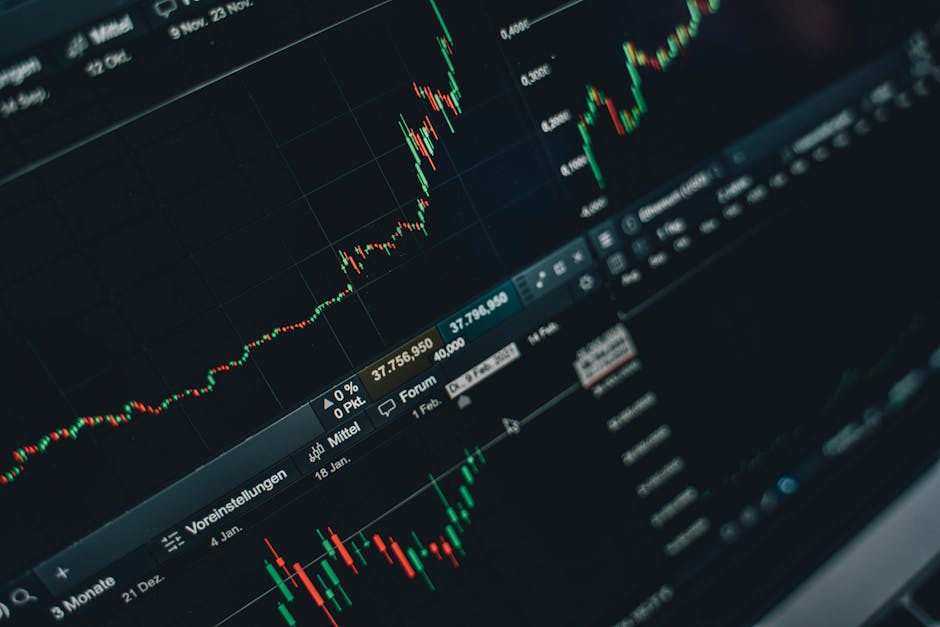
Option trading for beginner QAs
Does Warren Buffett Do Options?
Warren Buffett is widely known for his long-term value investing approach and has famously stated that he avoids options trading. In fact, he once referred to derivatives, which include options, as "financial weapons of mass destruction." Buffett's investment philosophy is focused on long-term value and fundamentals, which may not align with the goals and strategies of options traders.However, it is important to note that Buffett's aversion to options trading does not necessarily mean that this investment strategy is not viable for other investors. Options trading can be an effective way to hedge against market volatility and generate income through premium collection. For those interested in learning more about adapting their options trading strategies to changing market conditions, such as the increased securities transaction tax, it is crucial to thoroughly research and understand the risks and benefits of options trading before getting involved in this market.
How Much Money Do I Need to Do Options Trading?
The amount of money required to start options trading can vary widely depending on your individual investment goals and trading strategy. Options contracts can be bought and sold for as little as a few hundred dollars, but some strategies may require larger investments to be effective. It's essential to carefully consider your investment goals and risk tolerance when determining how much money to invest in options trading, and to explore different options strategies that align with your objectives.In addition to the cost of the options contract itself, there are other costs associated with options trading, such as commission fees and margin requirements. Margin requirements can vary depending on the broker and the specific options contract, and it is vital to understand these requirements before making any trades.
How Do Options Pay Out?
The payout of an options contract depends on the type of contract and the underlying stock price. Call options pay out if the underlying stock price rises above the strike price of the contract, while put options pay out if the underlying stock price falls below the strike price. The amount of the payout depends on the difference between the stock price and the strike price, as well as the expiration date of the contract. To maximize the potential of options trading, it's crucial to have a deep understanding of key concepts, such as theta and delta, and how they can be used to inform your trading decisions.For example, if you buy a call option contract for a stock with a strike price of $50 and the stock price rises to $60 by the expiration date of the contract, you would receive a payout of $10 per share. Conversely, if you buy a put option contract for a stock with a strike price of $50 and the stock price falls to $40 by the expiration date of the contract, you would receive a payout of $10 per share.
It is essential to note that options trading can be highly complex and risky, and it is vital for investors to thoroughly research and understand the market before getting involved in options trading.