Market Analysis: What Experienced Traders Know About Cash Reserves
Introduction to Market Analysis
Recent market analysis news has left many investors wondering what it means for their portfolio. With Berkshire Hathaway's cash reserves reaching a record $397.4 billion, it's clear that Warren Buffett is taking a cautious approach to the market. But what does this mean for you and your investments? As you consider your next move, it's crucial to understand the role of cash reserves in navigating market volatility.
Berkshire Hathaway's large cash pile signals caution, but it also presents opportunities for potential future investments. With $400 billion in cash, Buffett has the flexibility to make strategic moves when the time is right. You can apply a similar strategy to your own investments by maintaining a cash reserve and being prepared to act when opportunities arise.
Who Should Read This
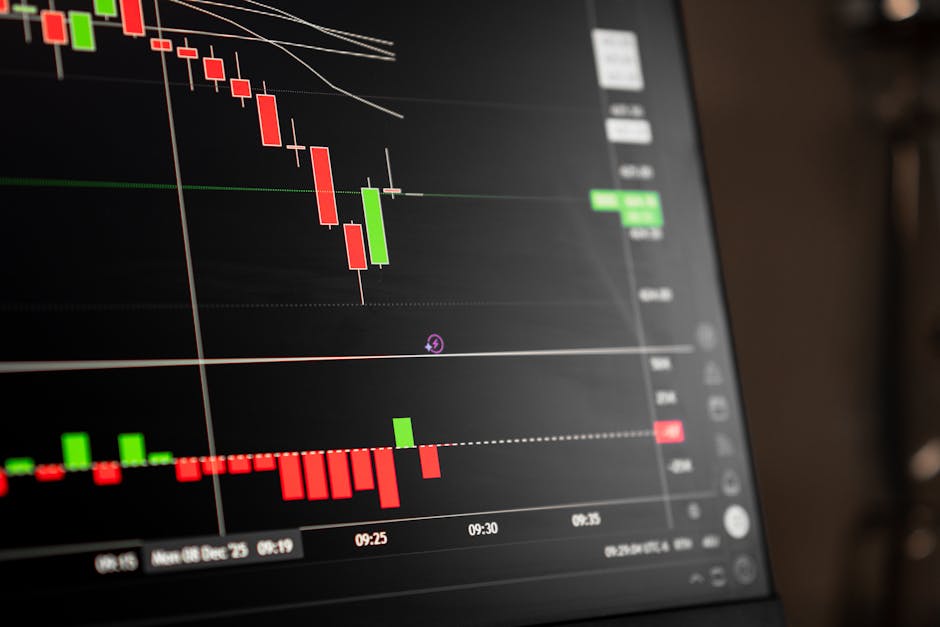
Live Market Data
If you're an investor looking to navigate market volatility and make informed decisions about your portfolio, this article is for you. Whether you're a seasoned trader or just starting out, understanding the importance of cash reserves and how to use them effectively can help you achieve your investment goals.
The Core Concept
The core concept here is that cash reserves are a defensive weapon in times of market uncertainty. By maintaining a large cash position, investors like Warren Buffett can protect their portfolios from downturns and be prepared to take advantage of opportunities when they arise. For example, if you have a $25,000 investment portfolio, allocating 20% to cash reserves would give you $5,000 in liquidity to use when the market presents opportunities.
Cash Reserves in Action
Berkshire Hathaway's cash and short-term Treasury bill holdings reached a record $397.4 billion at the end of the first quarter of 2026. This large cash pile is a strong position for potential future opportunities, and it's a strategy that you can apply to your own investments. By maintaining a cash reserve, you can limit your losses during market downturns and be prepared to invest when the market presents opportunities.
What Most People Get Wrong
Many investors make the mistake of not maintaining a large enough cash reserve. They may be tempted to invest all of their money in the market, hoping to maximize their returns. However, this approach can be risky, especially during times of market volatility. By not having a cash reserve, investors may be forced to sell their investments at a loss in order to meet their financial obligations. For example, if you have all of your money invested in the SPY ETF and the market experiences a downturn, you may be forced to sell your shares at a low price in order to meet your living expenses.
Another mistake that investors make is not having a clear strategy for their cash reserves. They may hold onto cash without a plan for how to use it, missing out on potential investment opportunities. By having a clear strategy for your cash reserves, you can make informed decisions about when to invest and when to hold back.
How It Actually Works
So, how do you actually use cash reserves to navigate market volatility? The first step is to determine how much cash to hold in reserve. A common rule of thumb is to allocate 10-20% of your portfolio to cash reserves. For example, if you have a $50,000 investment portfolio, you would allocate $5,000 to $10,000 to cash reserves. You can then use this cash to invest in opportunities as they arise, such as buying shares of AAPL or QQQ during a market downturn.
Calculating Cash Reserves
To calculate how much cash to hold in reserve, you can use a simple formula: cash reserves = (portfolio value x allocation percentage). For example, if you have a $100,000 portfolio and you want to allocate 15% to cash reserves, your cash reserves would be $15,000. You can then use this cash to invest in opportunities as they arise, such as buying shares of SPY or AAPL during a market downturn.
Real-World Application
A concrete example of how to use cash reserves in real-world investing is to consider the performance of the SPY ETF during the 2020 market downturn. When the market experienced a sharp decline, investors who had a large cash reserve were able to buy shares of SPY at a low price, potentially earning significant returns when the market recovered. For example, if you had $10,000 in cash reserves and you bought shares of SPY at $200, you could have earned a 20% return when the ETF recovered to $240.
Another example is to consider the performance of the QQQ ETF during the 2020 market downturn. When the market experienced a sharp decline, investors who had a large cash reserve were able to buy shares of QQQ at a low price, potentially earning significant returns when the market recovered. For example, if you had $5,000 in cash reserves and you bought shares of QQQ at $150, you could have earned a 30% return when the ETF recovered to $195.
The Strategy
So, what's the strategy for using cash reserves to navigate market volatility? The first step is to determine how much cash to hold in reserve, based on your investment goals and risk tolerance. The next step is to monitor the market and look for opportunities to invest your cash reserves. For example, if the SPY ETF is trading at a low price, you may want to consider buying shares. You can also use technical indicators, such as the 50-day moving average, to determine when to invest.
Entry and Exit Criteria
To use cash reserves effectively, you need to have clear entry and exit criteria. For example, you may want to buy shares of AAPL when the stock price falls below $100, and sell when it rises above $120. You can also use stop-loss orders to limit your losses if the market moves against you. By having a clear strategy and entry and exit criteria, you can make informed decisions about when to invest and when to hold back.
Your Next Step
Now that you understand the importance of cash reserves in navigating market volatility, your next step is to review your investment portfolio and determine how much cash to hold in reserve. Consider allocating 10-20% of your portfolio to cash reserves, and use this cash to invest in opportunities as they arise. For example, you could set an alert to buy shares of QQQ when the ETF falls below $150, or allocate $5,000 to cash reserves to invest in AAPL when the stock price falls below $100. By taking this step, you can protect your portfolio from downturns and be prepared to take advantage of opportunities when they arise.
Last updated: July 2026
By the Investing Strategies Editorial Team
This content is for informational purposes only. Not financial advice—always do your own analysis before making investment decisions.