How to Navigate Market Volatility with Strategic Position Sizing
Opening Hook
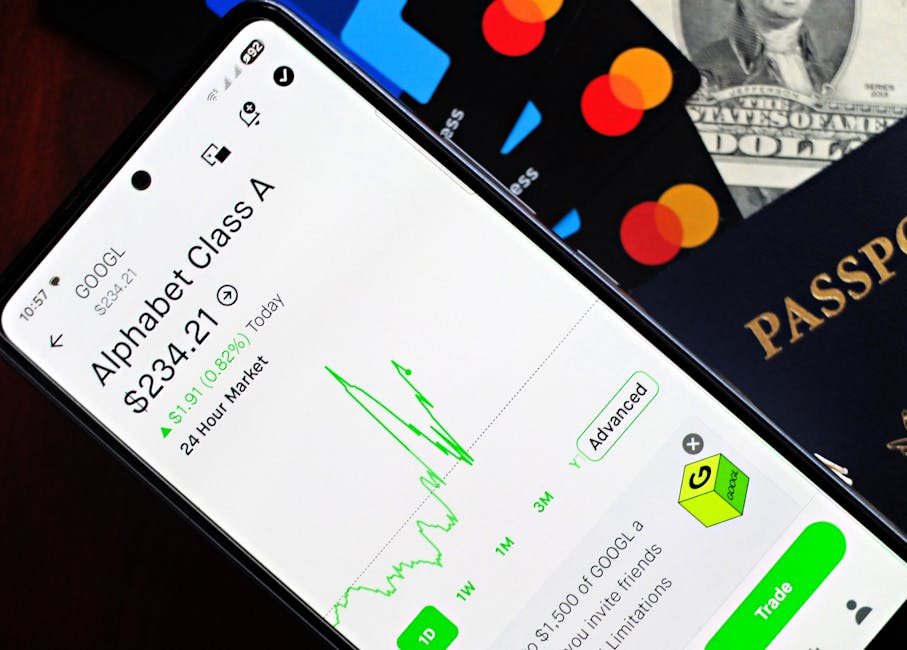
Recent stock market investing news has left many investors on edge, with Alphabet's plans to more than double its capital expenditure in 2026 unsettling investors and AMD shares falling sharply due to disappointing forecasts. So, what does this mean for your portfolio? You're likely wondering how to navigate this volatility and protect your investments. The key lies in strategic position sizing, which can help you limit your losses and maximize your gains.
For instance, if you're holding SPY, you'll want to keep a close eye on its 50-day moving average, currently at $585, which provides key support. Meanwhile, QQQ's price action is being closely watched, with many traders setting alerts at $340.
The Setup
The current market landscape is marked by increased volatility, with U.S. markets experiencing losses and tech stocks leading the declines. Alphabet's expected capital expenditure for 2026, which could reach $185 billion, has investors worried about the potential impact on the company's bottom line. Broadcom, on the other hand, has seen its shares rise more than 6% in recent trading, bucking the trend. You'll need to stay informed about these developments and adjust your strategy accordingly.
AAPL's valuation metrics, such as its price-to-earnings ratio, are also worth monitoring. With a current ratio of 25, you may want to consider allocating 5% of your portfolio to this stock, given its historical stability. Beyond that, you'll want to keep an eye on the overall market sentiment, which can shift quickly in response to news events.
The Play
To navigate this volatility, you'll want to focus on strategic position sizing. This involves allocating a specific percentage of your portfolio to each trade, based on your risk tolerance and market analysis. For example, you may decide to allocate 2% of your portfolio to a trade, which would limit your maximum loss to $500 on a $25,000 account. You can also use options strategies, such as credit spreads, to hedge your bets and reduce your risk.
One specific strategy you can use is a bull put spread on SPY, which involves selling a put option with a higher strike price and buying a put option with a lower strike price. This can provide a potential return of 10% to 15% if the trade is successful. Meanwhile, you can also consider a bear call spread on QQQ, which involves selling a call option with a lower strike price and buying a call option with a higher strike price.
Your Action Step
So, what should you do next? Start by reviewing your portfolio and assessing your current position sizes. Consider allocating 10% to 15% of your portfolio to a diversified mix of stocks, including SPY, QQQ, and AAPL. You can also set alerts at specific price levels, such as $580 for SPY or $335 for QQQ, to stay informed about market movements. Beyond that, you may want to explore options strategies, such as iron condors or butterfly spreads, to further diversify your portfolio and reduce your risk.
For instance, you can set an alert at $175 for Broadcom, which could provide a potential buying opportunity if the stock price falls to that level. On the flip side, you may want to consider selling a portion of your holdings if the market experiences a sharp rally, to lock in your gains and reduce your risk. By taking these steps, you can better navigate market volatility and achieve your long-term investment goals.
---
Last updated: February 2026
By the Investing Strategies Editorial Team
This content is for informational purposes only. Not financial advice—always do your own analysis before making investment decisions.