How Sharp Price Moves Impact Your Investments
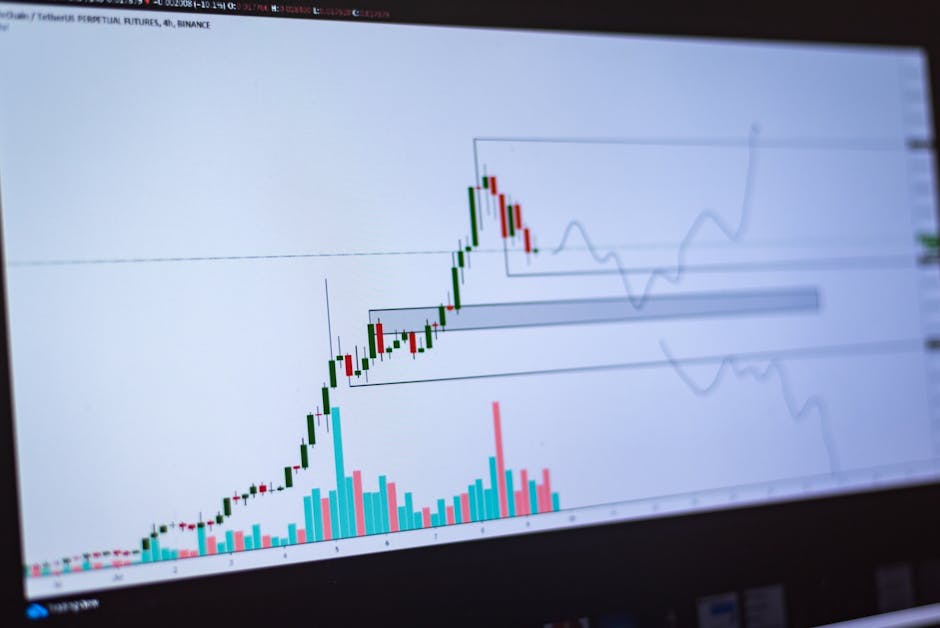
What's Happening in the Markets
Recent market analysis news means your portfolio may be in for a wild ride. Diesel prices have surged past $5 per gallon, driven by rising crude oil costs due to the Iran war, which is impacting transportation and grocery prices. This spike is particularly disruptive for industries reliant on diesel, and inflation is expected to rise as a result. You're likely wondering how this will affect your investments, especially if you hold stocks like AAPL, which relies heavily on global supply chains.
The average price of diesel fuel hit $5.04 a gallon nationwide, the latest fallout from soaring crude oil prices brought on by Iran’s blockade of the Strait of Hormuz, a critical oil transit route. This has significant implications for your holdings, particularly if you're invested in the SPY or QQQ, which are heavily influenced by global economic trends.
The Setup: Understanding the Market Context
Oil prices are impacting freight demand, and diesel surging past $5 is a major concern for businesses and investors alike. The current market situation is complex, with multiple factors at play. You need to consider the broader context, including the potential impact on inflation, interest rates, and the overall economy. The SPY's 50-day moving average at $585 provides key support, while the QQQ's valuation metrics are worth keeping an eye on.
Meanwhile, the rising cost of diesel is disrupting industries that rely heavily on transportation, such as trucking and logistics. This, in turn, can impact the bottom line of companies like AAPL, which relies on a global supply chain to manufacture and distribute its products. You should be aware of these potential risks and adjust your investment strategy accordingly.
The Play: Positioning Yourself for Success
To navigate this challenging market environment, you need a solid strategy. One approach is to focus on dividend-paying stocks, which can provide a relatively stable source of income even in turbulent markets. You could consider allocating 20% of your portfolio to dividend-paying stocks like Coca-Cola or Johnson & Johnson, which have a history of consistent payouts. Alternatively, you could look to the bond market, where yields are rising in response to inflation concerns.
A 2% position size limits your max loss to $500 on a $25,000 account, so it's essential to be mindful of your risk exposure. You should also set an alert at $570 for the SPY, which could provide a buying opportunity if the market pulls back. On the flip side, if the QQQ breaks out above $350, you may want to consider allocating a larger portion of your portfolio to growth stocks.
Your Action Step: Taking Control of Your Investments
So, what should you do next? Start by reviewing your portfolio and assessing your exposure to industries that may be impacted by rising diesel prices. You may want to consider reallocating 10% of your portfolio to a diversified ETF like the Vanguard Total Stock Market Index Fund, which can provide broad exposure to the market while minimizing risk. Beyond that, keep a close eye on inflation data and interest rate movements, as these can have a significant impact on your investments.
Set a goal to reduce your portfolio's volatility by 15% over the next quarter, and consider using options strategies like credit spreads to hedge your positions. You can use the SPY or QQQ as a proxy for the broader market, and set alerts at key support and resistance levels to stay informed. By taking proactive steps to manage your investments, you can position yourself for success even in uncertain market conditions.
Last updated: March 2026
By the Investing Strategies Editorial Team
This content is for informational purposes only. Not financial advice—always do your own analysis before making investment decisions.