Mastering Trading Psychology: The Key to Long-Term Success
What's the Best Approach to Trading Psychology?
The best approach to trading psychology is to understand that it's a continuous process of self-improvement, not a one-time achievement. You'll need to develop a deep understanding of your own emotions and biases to make informed trading decisions. Most traders miss this crucial aspect, focusing solely on technical analysis and market trends.
By acknowledging the role of psychology in trading, you can take the first step towards achieving long-term success. This article will guide you through the core concepts, common mistakes, and real-world applications of trading psychology, helping you to refine your approach and improve your results.
Who Should Read This
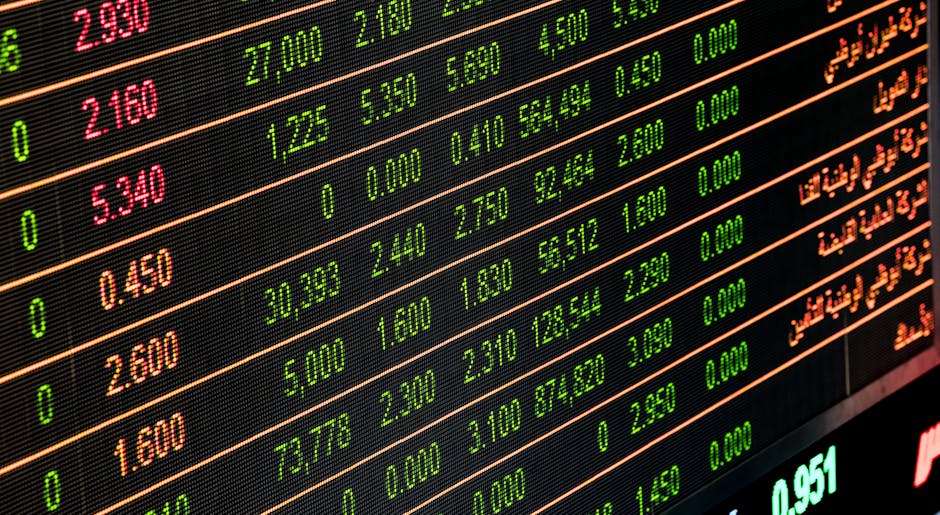
Live Market Data
This article is designed for traders who want to take their skills to the next level by mastering their emotions and biases. Whether you're a seasoned trader or just starting out, you'll find valuable insights and practical advice to help you navigate the markets with confidence.
Specifically, this article is targeted towards traders who are looking to improve their risk management, develop a more disciplined approach, and overcome common pitfalls such as fear, greed, and revenge trading.
The Core Concept
The core concept of trading psychology is to recognize that your emotions and biases can significantly impact your trading decisions. For example, when Cisco (NASDAQ: CSCO) launched its new security tools for AI agents, the stock price jumped from $77.65 to $78.82, attracting many traders who were eager to capitalize on the trend. However, those who let their emotions get the better of them may have ended up making impulsive decisions, such as buying at the peak or selling at the bottom.
By understanding how your emotions and biases influence your trading, you can develop strategies to mitigate their impact and make more informed decisions. This might involve setting clear goals, establishing a trading plan, and sticking to it, even when the markets become volatile.
What Most People Get Wrong
Many traders make the mistake of underestimating the role of psychology in trading, focusing solely on technical analysis and market trends. They may also fail to recognize their own biases and emotions, such as confirmation bias, loss aversion, and the fear of missing out (FOMO).
For instance, when SK Hynix placed an $8 billion order with ASML, many traders may have rushed to buy tech stocks, including AAPL, without considering the potential risks and downsides. This impulsive behavior can lead to significant losses, especially if the market turns against them.
How It Actually Works
Trading psychology involves a deep understanding of your own emotions and biases, as well as the ability to develop strategies to mitigate their impact. This might involve setting clear goals, establishing a trading plan, and sticking to it, even when the markets become volatile.
For example, you might set a 2% position size limit to minimize your potential losses, and establish a stop-loss order at 5% below your entry price to limit your downside risk. You could also use technical indicators, such as the 50-day moving average, to identify trends and make more informed decisions.
Using Technical Indicators
Technical indicators, such as the Relative Strength Index (RSI) and the Bollinger Bands, can help you identify trends and make more informed decisions. For instance, when the RSI falls below 30, it may indicate that the stock is oversold, and a potential buying opportunity may arise.
- Use the 50-day moving average as a key support level for SPY
- Set a stop-loss order at 5% below your entry price for QQQ
- Monitor the RSI for potential buying opportunities in AAPL
Real-World Application
A real-world example of trading psychology in action is the recent launch of Cisco's security tools for AI agents. When the news broke, many traders may have rushed to buy the stock, without considering the potential risks and downsides. However, those who had a clear trading plan and stuck to it may have avoided making impulsive decisions and minimized their losses.
For instance, if you had allocated 10% of your portfolio to CSCO, you may have limited your potential losses to $1,000 on a $10,000 account. You could also have used the recent price action to adjust your stop-loss order and lock in profits, rather than letting your emotions get the better of you.
The Strategy
A key strategy for mastering trading psychology is to develop a disciplined approach to risk management. This might involve setting clear goals, establishing a trading plan, and sticking to it, even when the markets become volatile.
For example, you might allocate 20% of your portfolio to SPY, 30% to QQQ, and 50% to AAPL, and set a stop-loss order at 10% below your entry price for each stock. You could also use technical indicators, such as the 50-day moving average, to identify trends and make more informed decisions.
Position Sizing
Position sizing is a critical aspect of trading psychology, as it can help you minimize your potential losses and maximize your gains. For instance, if you have a $25,000 account, you might set a 2% position size limit, which would be $500 per trade.
By using a disciplined approach to position sizing, you can avoid making impulsive decisions and minimize your losses, even in volatile markets. You could also use this strategy to adjust your stop-loss orders and lock in profits, rather than letting your emotions get the better of you.
Your Next Step
Your next step is to set a price alert for SPY at $585, which is the 50-day moving average and a key support level. When the alert is triggered, you can review the market conditions and make a more informed decision about whether to buy or sell.
Meanwhile, you should also consider allocating 10% of your portfolio to QQQ, which has been trending upwards in recent weeks. By diversifying your portfolio and using a disciplined approach to risk management, you can minimize your potential losses and maximize your gains, even in volatile markets.
Last updated: March 2026
By the Investing Strategies Editorial Team
This content is for informational purposes only. Not financial advice—always do your own analysis before making investment decisions.