Navigating ETF Investing with Caution
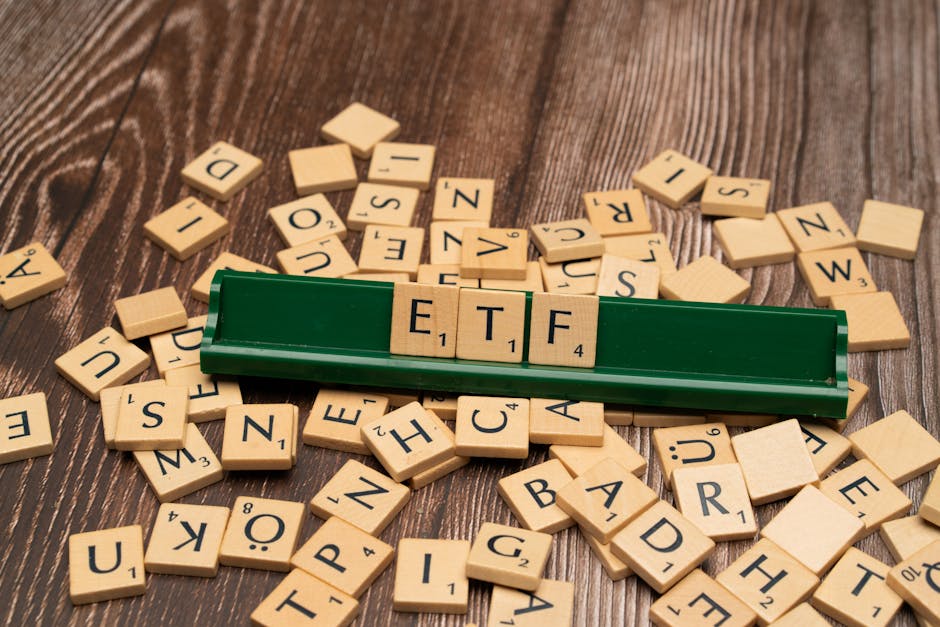
Introduction to ETF Investing
What's the best approach to ETF investing? You should prioritize caution and thorough research, taking into account the warning from Bank of America about the risks in bank-loan ETFs due to problem loans in the financial sector. This could lead to market volatility, and investors should be cautious. For instance, if you're investing in the SPY ETF, you'll want to keep an eye on its 50-day moving average, which provides key support at around $585.
A 2% position size can limit your max loss to $500 on a $25,000 account, which is a great way to manage risk. Meanwhile, the QQQ ETF has been performing well, with a year-to-date return of over 20%, but it's essential to consider the potential risks and adjust your strategy accordingly.
Who Should Read This
Live Market Data
If you're an experienced trader looking to refine your ETF investing strategy, this article is for you. You'll learn how to navigate the complexities of ETF investing and make informed decisions about your portfolio. Whether you're invested in AAPL or other stocks, understanding the risks and opportunities in ETF investing is crucial.
The Core Concept
The core concept of ETF investing is to diversify your portfolio and manage risk. One way to do this is by investing in a mix of ETFs, such as the SPY and QQQ, which track different indices and provide broad exposure to the market. For example, the SPY ETF tracks the S&P 500 index, which has a price-to-earnings ratio of around 25, while the QQQ ETF tracks the Nasdaq-100 index, which has a price-to-earnings ratio of around 30.
Understanding ETF Fees
When investing in ETFs, it's crucial to consider the fees associated with each fund. The SPY ETF has an expense ratio of 0.094%, while the QQQ ETF has an expense ratio of 0.20%. These fees can eat into your returns over time, so it's essential to factor them into your investment decisions.
What Most People Get Wrong
Many investors make the mistake of not properly researching the ETFs they invest in. They might not understand the underlying holdings, fees, or risks associated with each fund. For instance, some investors might not realize that the QQQ ETF has a significant weighting in tech stocks, which can make it more volatile than other ETFs. Additionally, Bank of America's warning about potential risks facing the U.S. dollar due to long-term debt and deficits is a concern that investors should be aware of.
Another common mistake is not diversifying their portfolio enough. Investing too heavily in one ETF or sector can increase risk and decrease potential returns. To avoid this, you can allocate 40% of your portfolio to the SPY ETF, 30% to the QQQ ETF, and 30% to other ETFs or stocks, such as AAPL.
How It Actually Works
ETF investing involves buying and selling shares of a fund that tracks a particular index or sector. The process is similar to buying and selling individual stocks, but with ETFs, you're investing in a basket of securities. For example, if you invest $10,000 in the SPY ETF, you'll own a small portion of the S&P 500 index, which includes 500 of the largest publicly traded companies in the US. The SPY ETF has a beta of 1.00, which means it's highly correlated with the S&P 500 index, and its Sharpe ratio is around 1.20, which indicates its risk-adjusted returns.
Understanding Leverage
Some ETFs use leverage to amplify returns, which can increase risk. For instance, a 2x leveraged ETF will attempt to return twice the daily return of the underlying index. However, this also means that losses will be magnified, so it's crucial to understand the risks and use leverage wisely. A good example is the ProShares Ultra S&P 500 ETF, which has a 2x leverage and a net asset value of around $100 million.
Real-World Application
A concrete example of ETF investing in action is the performance of the QQQ ETF during the past year. With a return of over 20%, it's outperformed many other ETFs and individual stocks. However, it's crucial to consider the potential risks and adjust your strategy accordingly. For instance, you can set a stop-loss at 10% below the current price to limit your potential losses. Meanwhile, the SPY ETF has a dividend yield of around 2%, which can provide a regular income stream for investors.
Another example is the iShares Core U.S. Aggregate Bond ETF, which has a yield of around 3% and a duration of around 7 years. This ETF can provide a relatively stable source of income and help diversify your portfolio. You can allocate 20% of your portfolio to this ETF to reduce your overall risk and increase your potential returns.
The Strategy
A solid ETF investing strategy involves diversifying your portfolio, managing risk, and adjusting your approach as market conditions change. One strategy is to allocate 40% of your portfolio to the SPY ETF, 30% to the QQQ ETF, and 30% to other ETFs or stocks, such as AAPL. You can also consider investing in a mix of ETFs that track different indices, such as the Dow Jones Industrial Average or the Russell 2000. Additionally, you can use technical analysis, such as moving averages and relative strength index (RSI), to identify potential buying and selling opportunities.
Entry and Exit Criteria
To execute this strategy, you can set entry and exit criteria based on technical analysis or fundamental research. For example, you can set a buy signal when the SPY ETF's 50-day moving average crosses above its 200-day moving average, and a sell signal when it crosses below. You can also consider using options, such as call options or put options, to hedge your positions and reduce your potential losses.
Your Next Step
After reading this article, your next step should be to review your current ETF portfolio and consider rebalancing it to ensure you're properly diversified. You can start by setting an alert at $585 for the SPY ETF, which provides key support, and allocating 2% of your portfolio to the QQQ ETF to take advantage of its strong performance. Meanwhile, you can also consider investing in other ETFs, such as the iShares Core U.S. Aggregate Bond ETF, to reduce your overall risk and increase your potential returns. By taking these steps, you can refine your ETF investing strategy and make more informed decisions about your portfolio.
Last updated: April 2026
By the Investing Strategies Editorial Team
This content is for informational purposes only. Not financial advice—always do your own analysis before making investment decisions.